
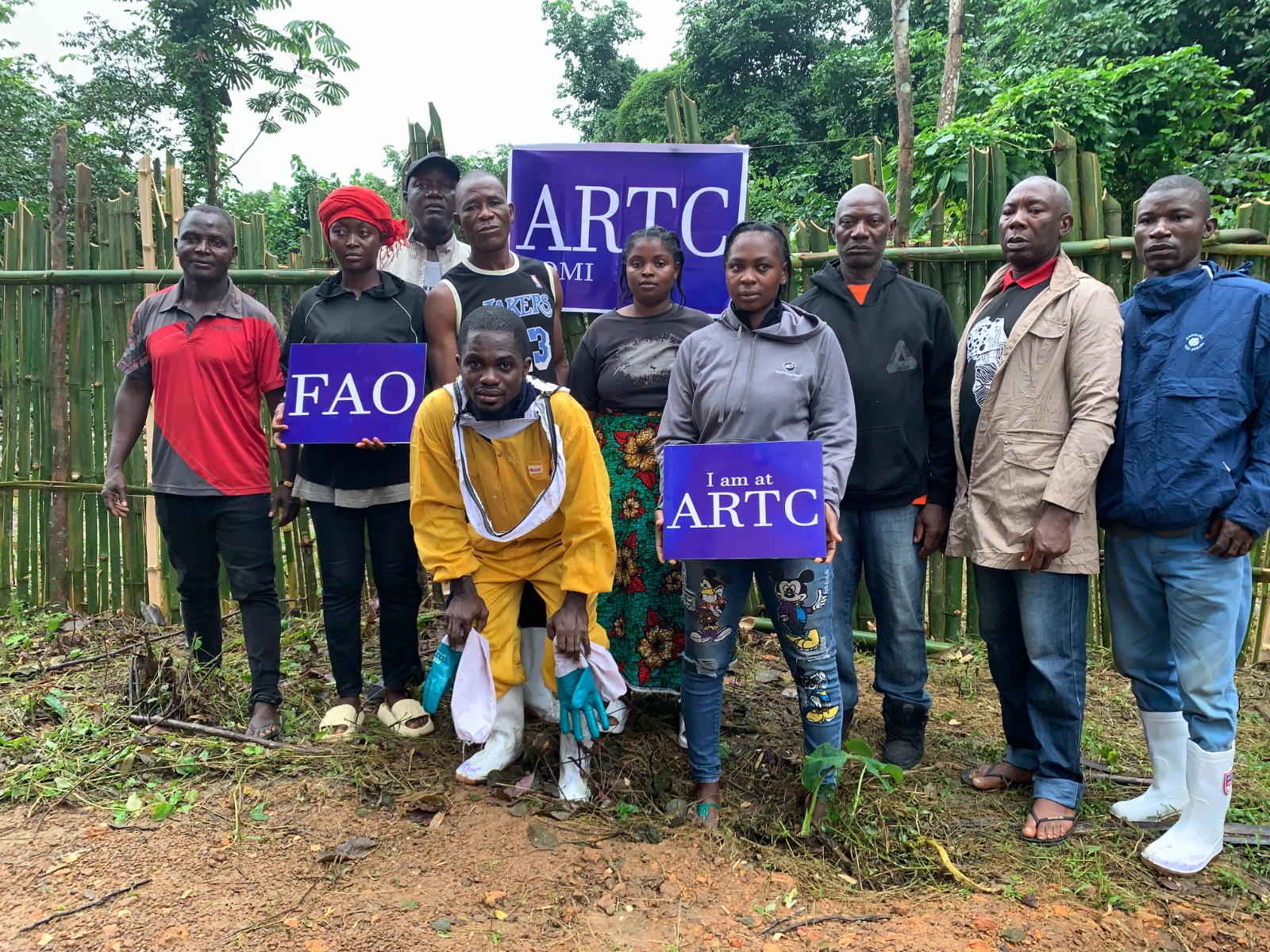
Nimba
The Food and Agriculture Organization (FAO), under the Food and Farmers Facility (FFF) project, has…

In many parts of rural Liberia, farmers struggle with unpredictable crop yields and limited access to income. But across villages and counties, one tiny insect is quietly creating a big buzz—the honeybee.
The Rise of Beekeeping:
Beekeeping is no longer seen as just a hobby. It’s become a reliable source of income and a tool for economic transformation. Thanks to training and support from ABL, farmers are now turning unused land and forest edges into productive apiaries.
Economic Impact:
One beehive can produce up to 20 liters of honey per year. At local market prices, that’s income many rural families didn’t have before. Beekeeping also has low start-up costs and doesn’t compete with food crops, making it ideal for small-scale farmers.
Environmental Bonus:
Beyond income, bees are also natural pollinators, helping nearby crops like cassava, peppers, and mangoes grow better. This means more food and better harvests for the entire community.
Conclusion:
Beekeeping is not just about honey. It’s about health, wealth, and sustainability. In the words of one ABL member: “We don’t just harvest honey—we harvest hope.”
The Food and Agriculture Organization (FAO), under the Food and Farmers Facility (FFF) project, has…
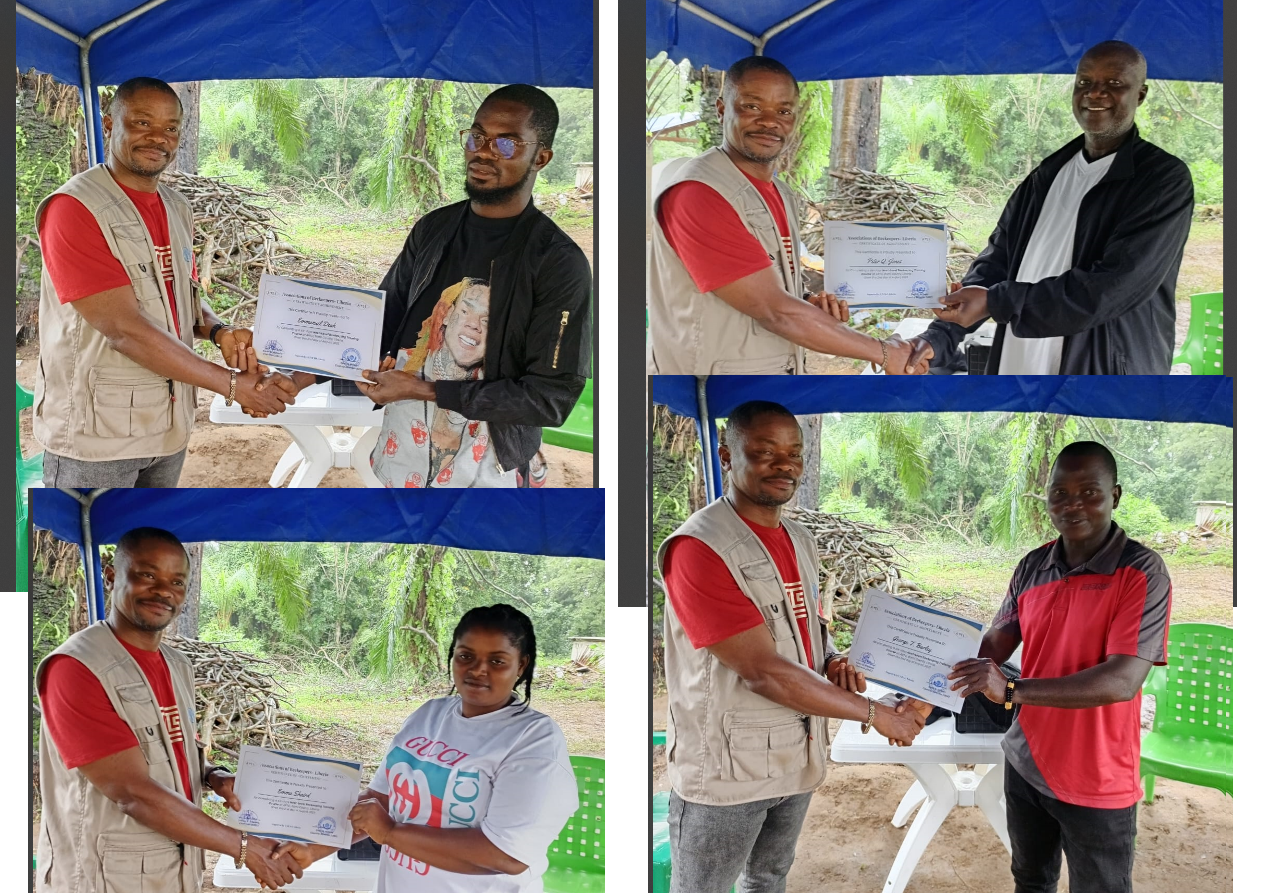
Abel Liberia, in collaboration with UNFAO, successfully concluded a six-day Next Level Beekeeping Training at…
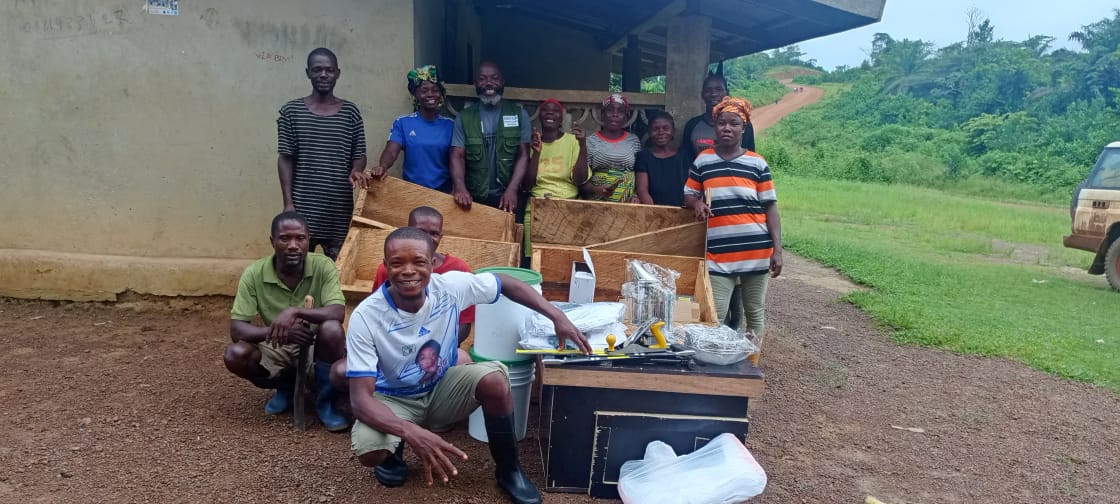
Abel Liberia successfully held a two-day introductory beekeeping training in Bollue III, Geetroh, Sinoe County,…

Abel Liberia successfully conducted a two-day introductory beekeeping training in Gbalawein, WARCABA, Sinoe County, held from…

Abel Liberia recently organized an introductory beekeeping training in Bassa Village, Grand Gedeh County, aiming…

In the quiet rural community of Pokpaken, Sinoe County, the sound of buzzing bees recently…

Juluzon, nestled in the lush, tropical forests of Grand Gedeh County, stands as a testament…

From Hive to Hand: How Abel Liberia Processes Beeswax After Honey Extraction Bees are among…

Have you ever wondered how the golden honey in your jar gets from the forest…
