

Nimba
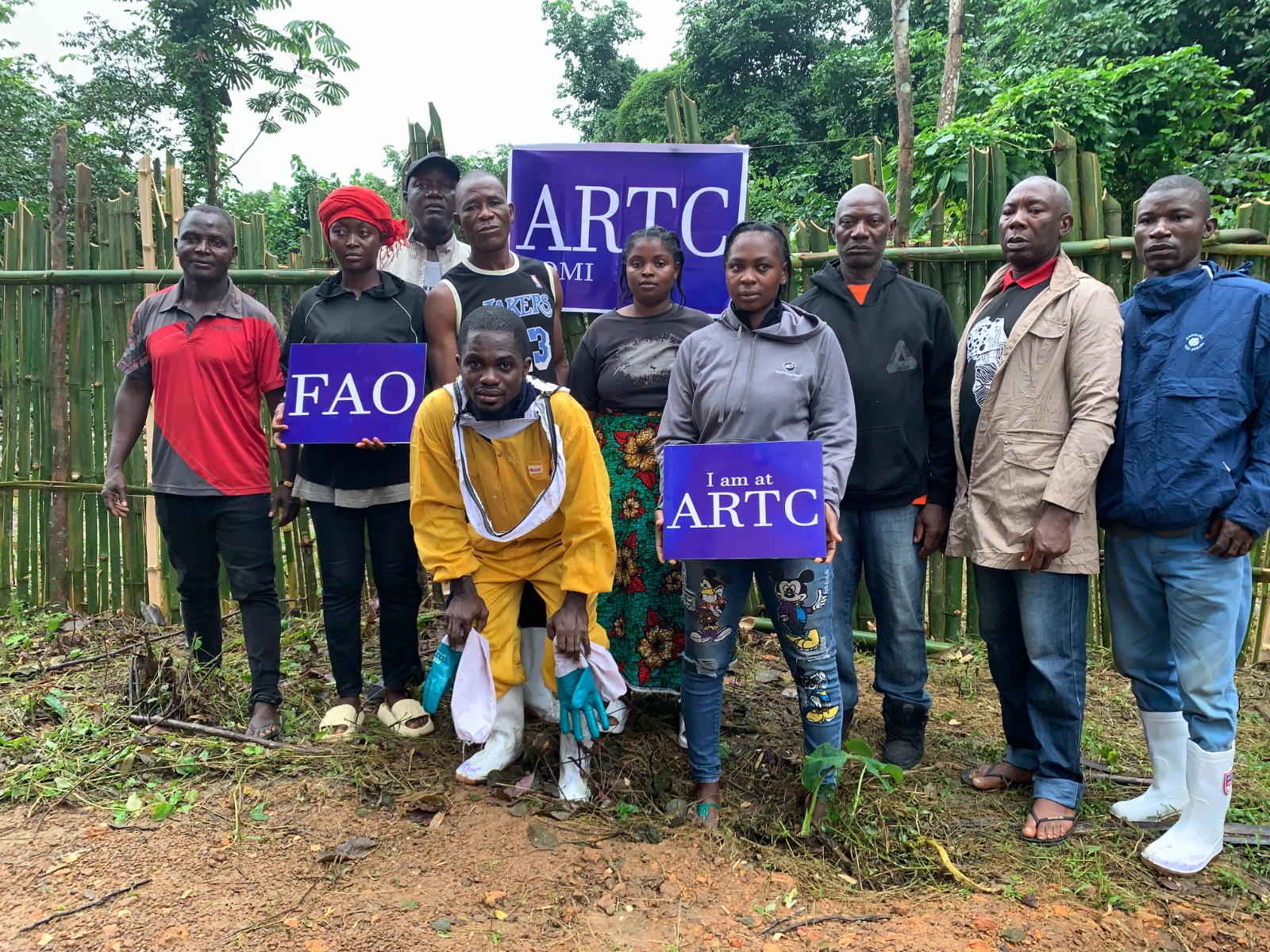
The Food and Agriculture Organization (FAO), under the Food and Farmers Facility (FFF) project, has…

In the quiet rural community of Pokpaken, Sinoe County, the sound of buzzing bees recently became the symbol of new opportunity. ABEL Liberia, committed to promoting sustainable livelihoods and protecting Liberia’s rich biodiversity, conducted an introductory beekeeping training that brought together farmers, youth, and community members eager to explore the world of beekeeping.
This training was not just about learning how to keep bees—it was about planting the seeds of economic empowerment, environmental stewardship, and community development.
Pokpaken is surrounded by dense forests and abundant flowering plants—an ideal environment for bees to thrive. Yet, until now, beekeeping was largely untapped in the area. Recognizing the potential, ABEL Liberia introduced the training to:
Provide alternative income sources for rural families.
Reduce reliance on forest exploitation by offering eco-friendly livelihoods.
Enhance pollination for local farms, boosting crop yields.
Inside the Training
Over the course of the program, participants were introduced to the essentials of modern, sustainable beekeeping:
Bee Biology & Behavior – Understanding how bees live, work, and contribute to ecosystems.
Hive Construction & Placement – Learning how to set up hives in safe, productive locations.
Safety & Handling – Proper techniques for working with bees to minimize stings and protect the hive.
Honey Harvesting Basics – When and how to extract honey without harming the colony.
Wax & Byproduct Uses – Exploring additional income streams from beeswax and propolis.
Practical demonstrations allowed trainees to see and handle real beekeeping tools, protective gear, and hives, making the learning hands-on and engaging.
The excitement in Pokpaken was tangible. Many participants saw beekeeping as a low-cost, high-value skill that could improve their families’ livelihoods. Beyond income, the community embraced the environmental benefits—recognizing that healthy bee populations mean healthier crops and forests.
Women and youth participation was especially high, showing that beekeeping is opening doors for inclusive economic growth in the county.
With this introductory training complete, ABEL Liberia plans to:
Support Pokpaken’s new beekeepers with starter hives and gear.
Establish a local beekeeping association for peer learning and collective marketing.
Organize advanced training sessions to deepen skills and increase production.
Final Word:
From this first step in Pokpaken, a ripple effect has begun—one that could transform livelihoods, strengthen food security, and preserve Sinoe County’s environment. With bees as partners, Pokpaken is buzzing towards a sweeter, more sustainable future.
The Food and Agriculture Organization (FAO), under the Food and Farmers Facility (FFF) project, has…
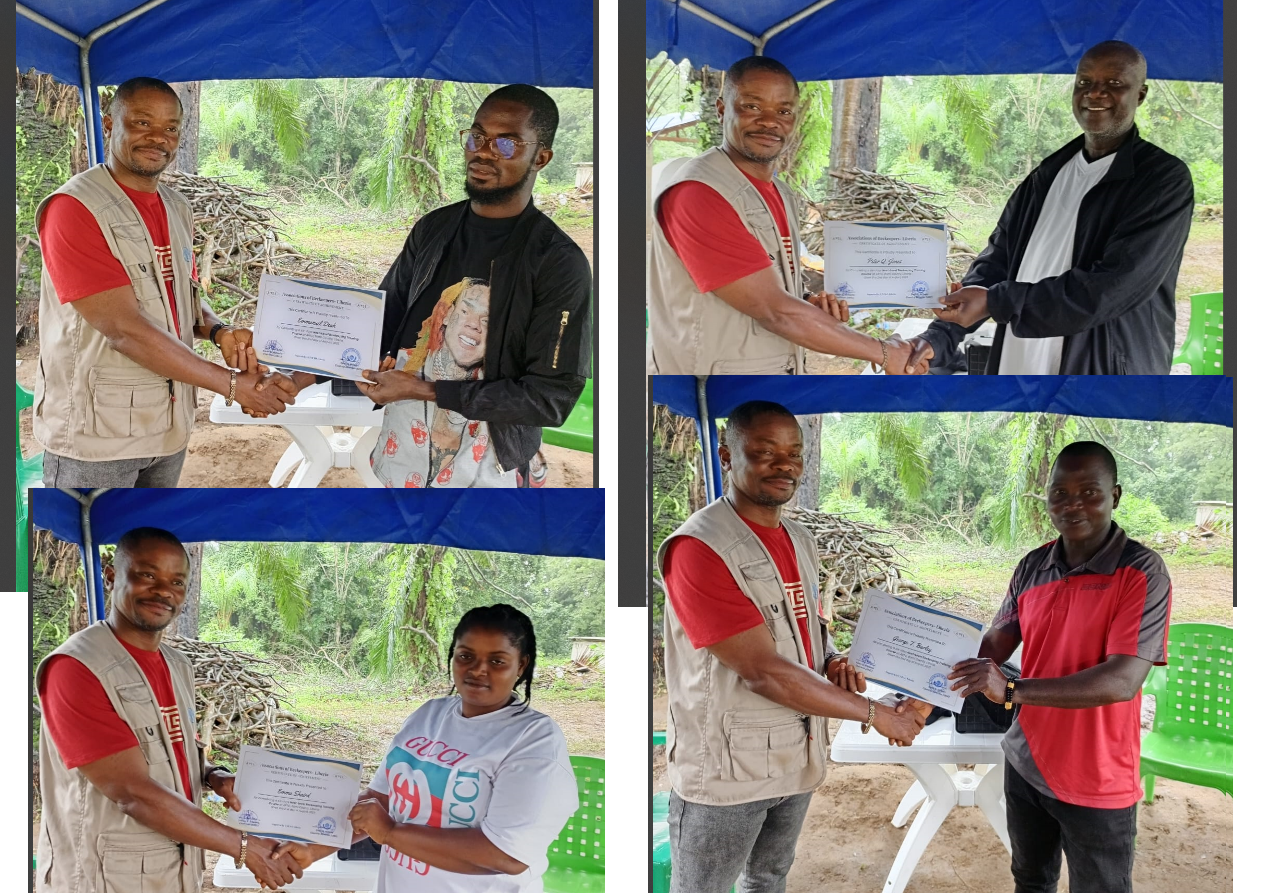
Abel Liberia, in collaboration with UNFAO, successfully concluded a six-day Next Level Beekeeping Training at…
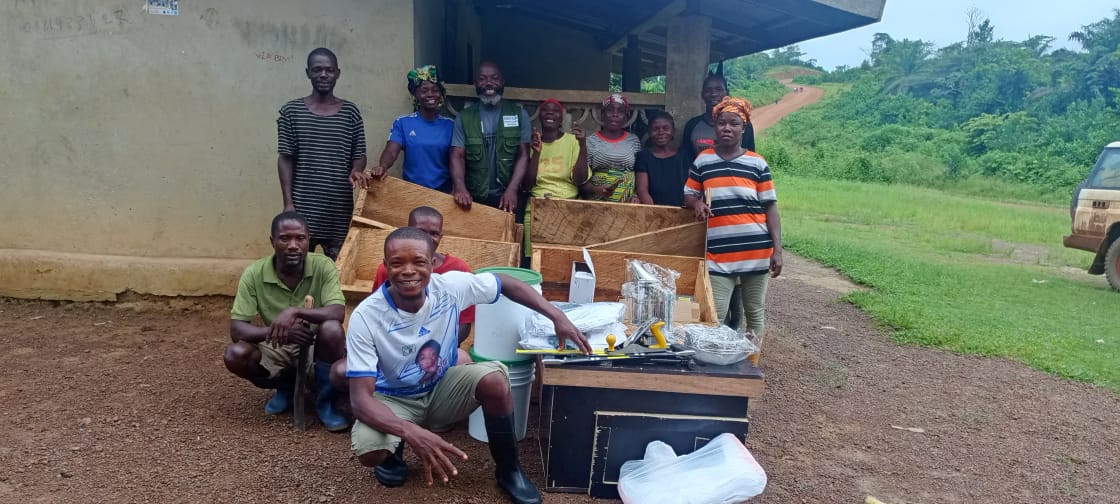
Abel Liberia successfully held a two-day introductory beekeeping training in Bollue III, Geetroh, Sinoe County,…

Abel Liberia successfully conducted a two-day introductory beekeeping training in Gbalawein, WARCABA, Sinoe County, held from…

Abel Liberia recently organized an introductory beekeeping training in Bassa Village, Grand Gedeh County, aiming…
In the quiet rural community of Pokpaken, Sinoe County, the sound of buzzing bees recently…

Juluzon, nestled in the lush, tropical forests of Grand Gedeh County, stands as a testament…

From Hive to Hand: How Abel Liberia Processes Beeswax After Honey Extraction Bees are among…

Have you ever wondered how the golden honey in your jar gets from the forest…
