

Nimba
The Food and Agriculture Organization (FAO), under the Food and Farmers Facility (FFF) project, has…

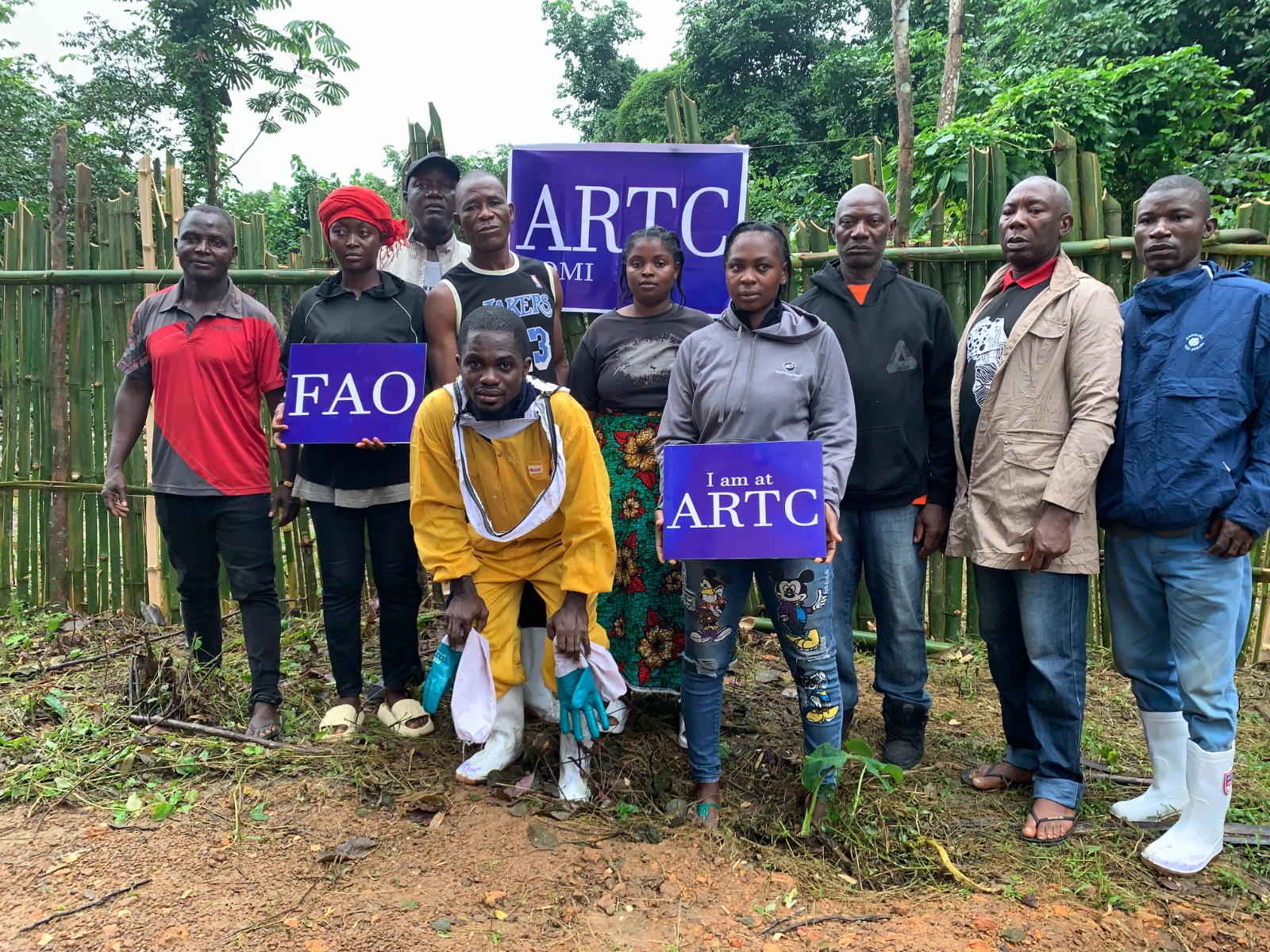
Juluzon, nestled in the lush, tropical forests of Grand Gedeh County, stands as a testament to Liberia’s vibrant natural heritage. With abundant rainfall (3,000–4,100 mm per year) and dense forest canopy, the region provides ideal terrain for bees and their keepers to thrive.
When ABEL Liberia, the Association of Beekeepers in Liberia, expanded its beekeeping initiative into Juluzon, it wasn’t just about placing hives—it was about sparking transformation. Nationally, ABEL has already equipped 68+ beekeepers with over 350 hives and produced thousands of liters of pure Liberian honey abeliberia.net. Now, Juluzon’s beekeepers are joining this growing movement.
Before the first hive was set, ABEL conducted essential training in Juluzon: modern hive management, safety protocols, sustainable harvesting, and honey processing. These skills grounded the local beekeepers in both tradition and innovation.
Following the training, beehives were carefully installed—elevated on stands to ward off termites and predators—strategically placed near flowering areas for optimal bee foraging, while also ensuring community safety.
Soon after installation, Juluzon’s beekeepers began harvesting honey—not just a sweet product, but a livelihood.
Honey income helps:
Beekeeping in Juluzon isn’t just economic—it’s profoundly social and environmental:
Looking Ahead: Building on Buzz
To amplify the impact in Juluzon, ABEL Liberia and partners might consider:
Conclusion
In Juluzon, Grand Gedeh, ABEL Liberia’s installed beehives are about more than honey—they’re seeds of sustainable livelihoods, community cohesion, and environmental guardianship. Each hive hums with possibility: income, empowerment, resilience, and a legacy of care. As Juluzon’s beekeepers harvest honey and forge futures, their story becomes part of a broader narrative—of Liberia’s communities rising together, one hive at a time.
The Food and Agriculture Organization (FAO), under the Food and Farmers Facility (FFF) project, has…
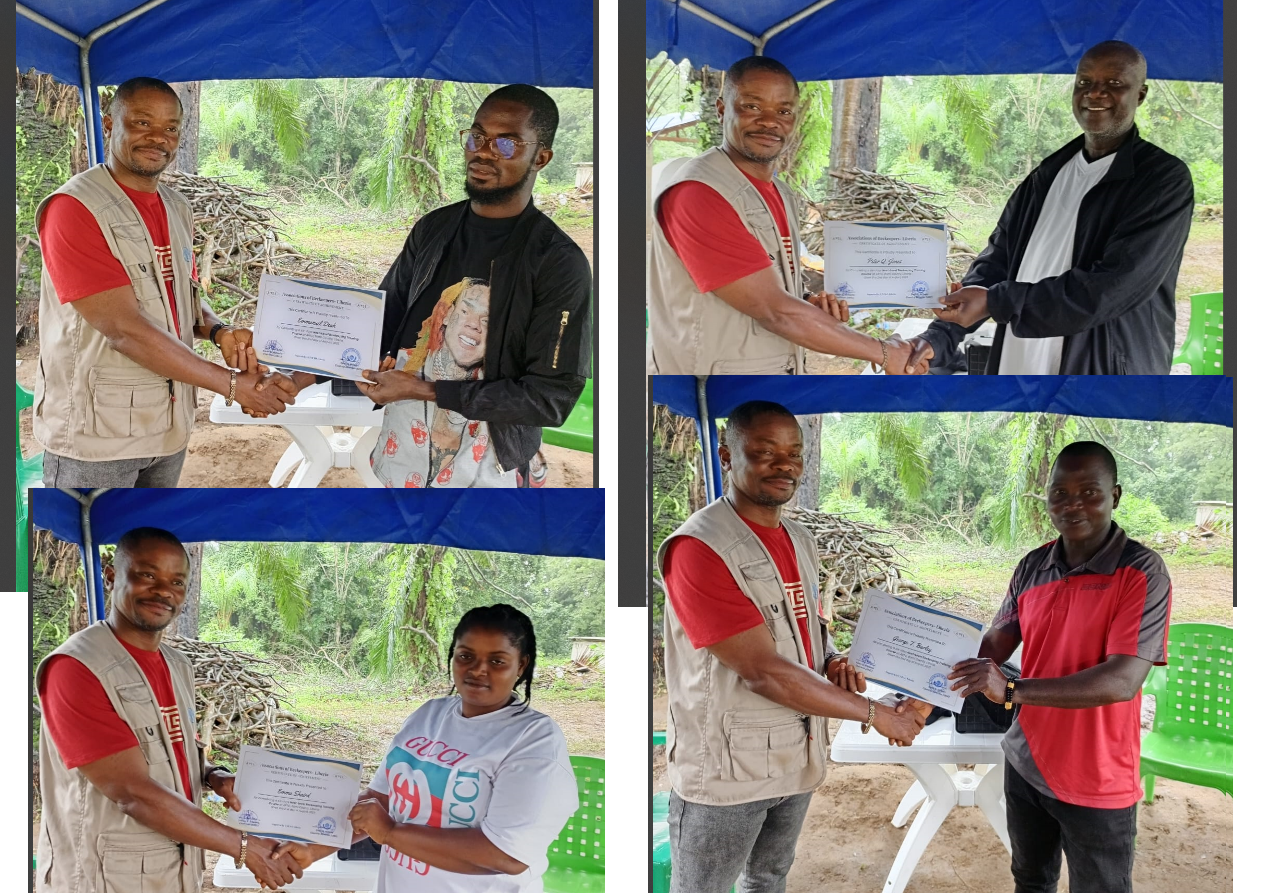
Abel Liberia, in collaboration with UNFAO, successfully concluded a six-day Next Level Beekeeping Training at…
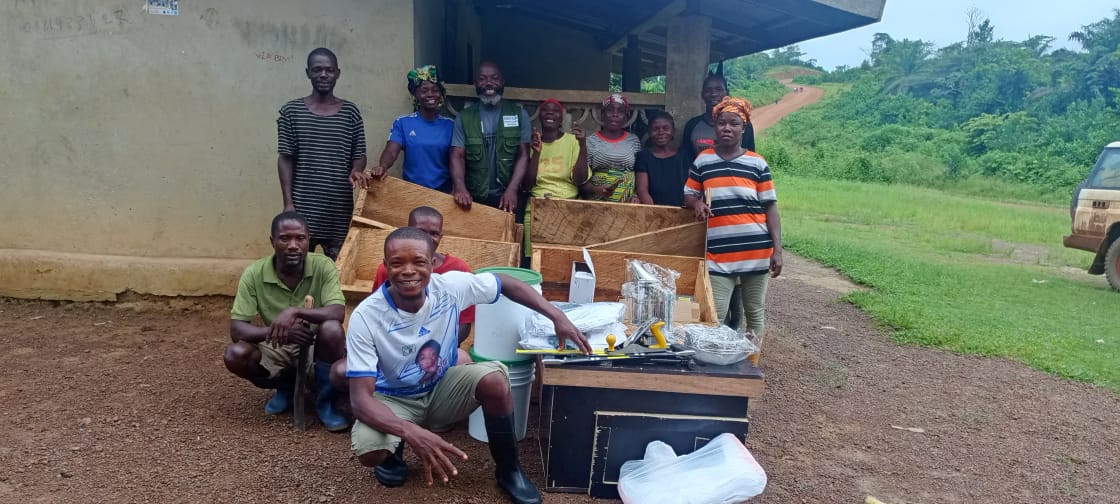
Abel Liberia successfully held a two-day introductory beekeeping training in Bollue III, Geetroh, Sinoe County,…

Abel Liberia successfully conducted a two-day introductory beekeeping training in Gbalawein, WARCABA, Sinoe County, held from…

Abel Liberia recently organized an introductory beekeeping training in Bassa Village, Grand Gedeh County, aiming…

In the quiet rural community of Pokpaken, Sinoe County, the sound of buzzing bees recently…
Juluzon, nestled in the lush, tropical forests of Grand Gedeh County, stands as a testament…

From Hive to Hand: How Abel Liberia Processes Beeswax After Honey Extraction Bees are among…

Have you ever wondered how the golden honey in your jar gets from the forest…
